
Egypt Weather Month-by-Month 2026: Compared

Egypt isn't one climate, it's four running side by side, and the region that's perfect in a given month is often the exact region to avoid. Here's how the Nile Valley, the Red Sea coast, the Mediterranean north, and the Western Desert actually compare, month by month.
Nile Valley (Cairo, Luxor, Aswan) vs. everywhere else: October-April wins
This is the comfortable window for sightseeing — 20-28°C (68-82°F) most days, cool enough for hours at the Pyramids, Karnak, or the Valley of the Kings without retreating indoors by noon. December-January is coolest and busiest (book ahead, pay more); October, November, March, and April are nearly as pleasant with fewer crowds. Compared to the Red Sea in the same months, the Nile Valley is actually the better-dressed option — bring a light layer for cool evenings, which the coast rarely needs.
Summer in the Nile Valley vs. summer on the Red Sea: not a close comparison
May-August in Upper Egypt is genuinely extreme. During an August 2026 heatwave, Egypt's Meteorological Authority recorded 36-39°C in Greater Cairo and 41-46°C in southern Upper Egypt (Luxor, Aswan) — some of the most intense heat tourists encounter anywhere, humidity included. The Red Sea coast over those same weeks runs hot on land too, but the sea itself provides relief the inland cities simply don't have, and diving/snorkeling conditions stay excellent regardless. If a summer trip is unavoidable, the coast is the far more comfortable half of the comparison.
Red Sea vs. North Coast: opposite seasons, same country
Hurghada, Sharm El Sheikh, Marsa Alam, and Dahab are good nearly year-round — mild, sunny winters (peak European season) and hot-but-swimmable summers, with diving visibility generally best March-June and September-November. The North Coast and Alexandria flip that pattern entirely: this is a summer-only destination, roughly June-August, when Egyptians themselves head there to escape the inland heat. The Meteorological Authority's own August 2026 readings put the North Coast and Alexandria at a noticeably milder 30-33°C even during the worst of that month's inland heatwave — outside summer, much of the North Coast's resort infrastructure scales down significantly.
Western Desert vs. the rest: the biggest day-night swing
No other region swings as hard between day and night as the White Desert and the other oases. Winter days are pleasant but nights can drop close to freezing — a real factor if your itinerary includes overnight camping. Summer days are brutally hot with little shade. Spring and autumn offer the best balance of warm days and tolerable nights for camping trips, making them the clear winner over both winter and summer for this specific region.
One more variable: Ramadan
During Ramadan, many restaurants and some shops shift their hours, opening later and closing around sunset for iftar, and city life noticeably changes pace in the evenings. Sites stay open and tours run normally, but it changes the texture of a city-based trip. Ramadan's dates move every year on the Islamic calendar, so check the current year's dates rather than assuming last year's.
So which region wins, overall?
For a first trip built around Cairo, Luxor, and Aswan: October-April, no contest. For a beach-and-diving trip: the Red Sea works almost any month, with winter better for comfort and spring/autumn better for underwater visibility. For a beach trip specifically on the North Coast: summer only. If one visit needs to cover multiple regions, shoulder-season months — October/November or March/April — give the best overall balance, avoiding the Nile Valley's worst heat while keeping the coast comfortably warm.
A Nile dahabiya cruise between Luxor and Aswan stays comfortable even outside the coolest months, since the river moderates the heat better than the cities around it. On the coast, a Red Sea diving day trip from Hurghada or an exclusive Red Sea yacht day works well across most of the year, and an Edfu and Kom Ombo temples day tour pairs naturally with either end of a Luxor-Aswan itinerary.
こちらもおすすめ
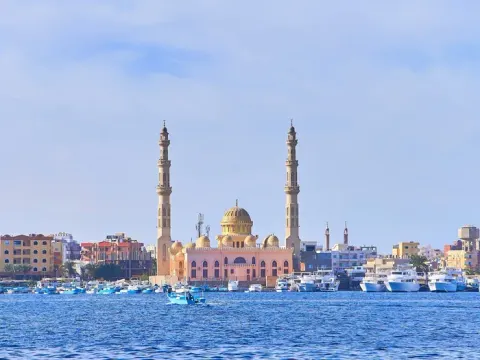
Red Sea Diving Adventure
39€ / 1名あたり
Exclusive Red Sea Yacht Experience
460€ / 1名あたり

Edfu & Kom Ombo Temples Day Tour Between Luxor and Aswan
85$ / 1名あたり
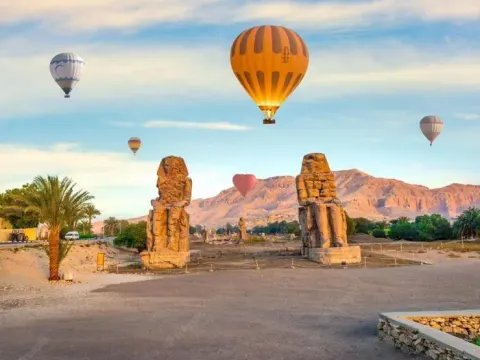
Private Dahabiya Sailing Cruise: Luxor to Aswan
1050$ / 1名あたり

Private Cairo Day Trip from Alexandria
350$ / 1名あたり

Alexandria Day Trip from Cairo
85€ / 1名あたり